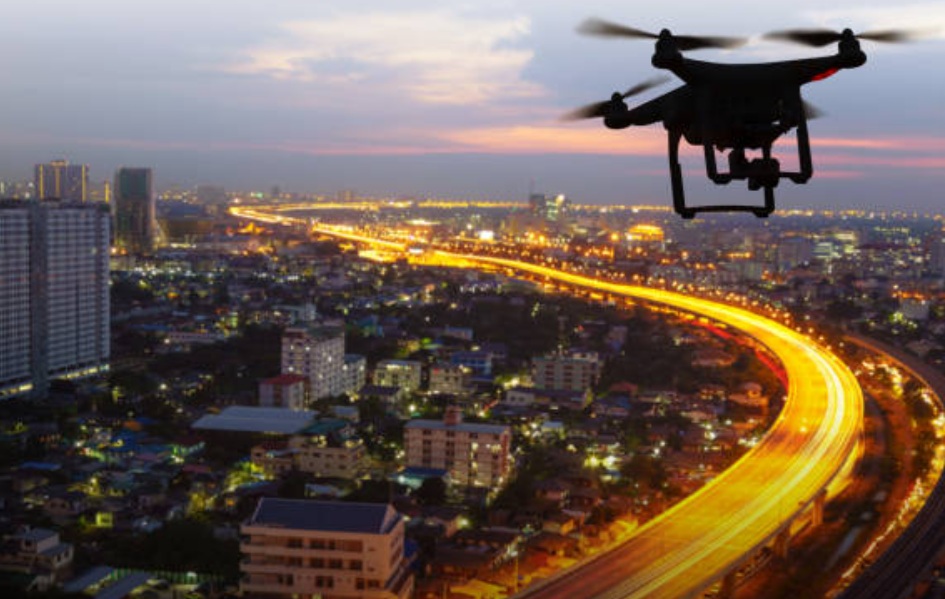
Introduction to Long-Endurance Drones
Long-endurance drones have become a significant advancement in unmanned aerial technology, offering extended flight times that surpass the capabilities of standard drones. These aircraft are engineered to stay airborne for prolonged periods, enabling a wide range of applications that benefit from sustained aerial presence. The ability to remain in the air for hours or even days opens new possibilities across various industries, from surveillance to commercial operations.
One of the most compelling aspects of long-endurance drones is their versatility. Unlike traditional drones, which often face limitations due to battery life or fuel constraints, long-endurance drones are designed to maximize operational time. This endurance makes them invaluable tools in scenarios that require continuous monitoring or coverage, such as environmental research, security, and utility inspections.
Applications in Surveillance and Security
Surveillance drone technology has been revolutionized by the introduction of long-endurance models. These drones can maintain a persistent eye over large areas, providing real-time data to security teams without frequent interruptions for recharging or refueling. This capability is particularly useful in border patrol, disaster response, and critical infrastructure protection.
Additionally, the extended flight duration enhances drone security operations by facilitating continuous aerial patrols and quick response to incidents. Long-endurance drones can cover expansive territories that would be challenging or costly to monitor using traditional methods, ensuring a higher level of situational awareness and threat detection.
Comparing UAVs and Drones: Understanding the Differences
It is important to clarify the terminology often used interchangeably: UAV vs drone. UAV stands for Unmanned Aerial Vehicle, which is a broader category that includes all remotely piloted or autonomous flying machines. The term drone is frequently used as a synonym but can also refer to specific types of UAVs, especially those used for hobbyist or consumer purposes.
Long-endurance drones typically fall under the UAV classification, as their design and capabilities are tailored for professional and commercial use. Their advanced systems enable autonomous flight, sophisticated data collection, and extended mission profiles that differentiate them from standard consumer drones.
Commercial Uses and Drone Inspection Capabilities
Long-endurance drones play a crucial role in commercial drones applications, particularly in industries that require detailed inspections and data gathering over large or difficult-to-access areas. One prominent example is drone inspection for infrastructure, including bridges, pipelines, and power lines.
Drone utility inspection is an area where these drones excel. Their ability to stay airborne for extended periods allows continuous monitoring of utility networks, identifying faults or maintenance needs promptly. This ongoing surveillance helps prevent outages and ensures operational safety, reducing the need for costly manual inspections.
- Extended flight times reduce the number of takeoffs and landings, minimizing wear and tear.
- High-resolution sensors and cameras enable detailed imaging and thermal analysis.
- Autonomous flight patterns allow systematic coverage of complex infrastructure.
- Real-time data transmission facilitates immediate decision-making and response.
Future Trends and Innovations
The future of long-endurance drones is promising, with ongoing research aimed at enhancing battery technology, improving energy efficiency, and integrating solar power systems. These advancements will further extend flight durations and reduce operational costs.
Moreover, the integration of artificial intelligence and machine learning is expected to make these drones more autonomous and capable of complex mission planning. As regulatory frameworks evolve, the adoption of long-endurance drones in commercial and security sectors is likely to accelerate, unlocking new applications and efficiencies.
Unlocking New Horizons with Long-Endurance Drones
Long-endurance drones represent a transformative shift in aerial technology, enabling persistent missions that were previously unattainable. Their impact spans surveillance, commercial inspections, and security operations, providing enhanced capabilities and greater operational flexibility. As technology continues to evolve, these drones will play an increasingly vital role in shaping the future of unmanned aerial systems and their applications across diverse fields.